Bacteria

Bacteria
Aeromonas spp.

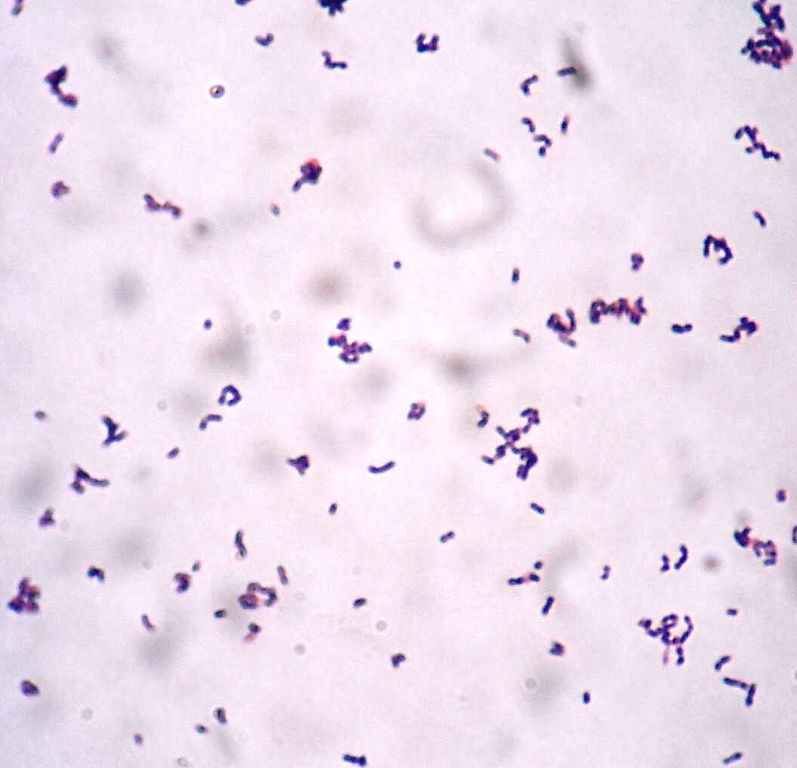
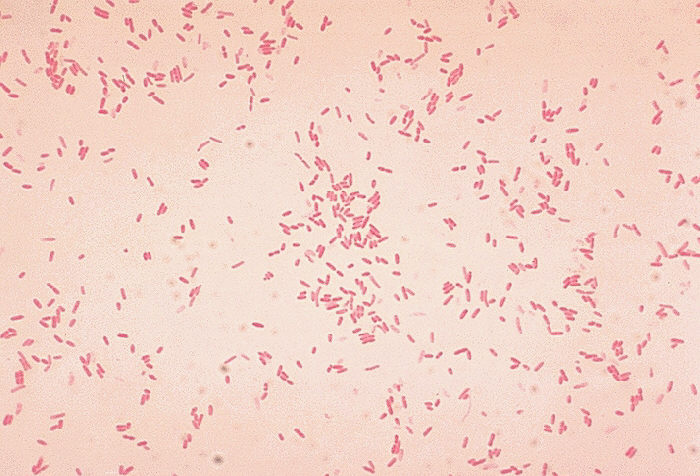
Aeromonas are Gram-negative bacilli, widely distributed in nature, especially aquatic environments – freshwater, brackish water, sewage system, hospital water system, and even drinking water. It can also be found in food and domestic or farm animals.  The Aeromonas genus consists of more than 30 species based on DNA-DNA hybridisation and 16S rDNA relatedness. Of these 30 […]

Read more
Bacteria
Actinotignum schaalii: a new pathogen

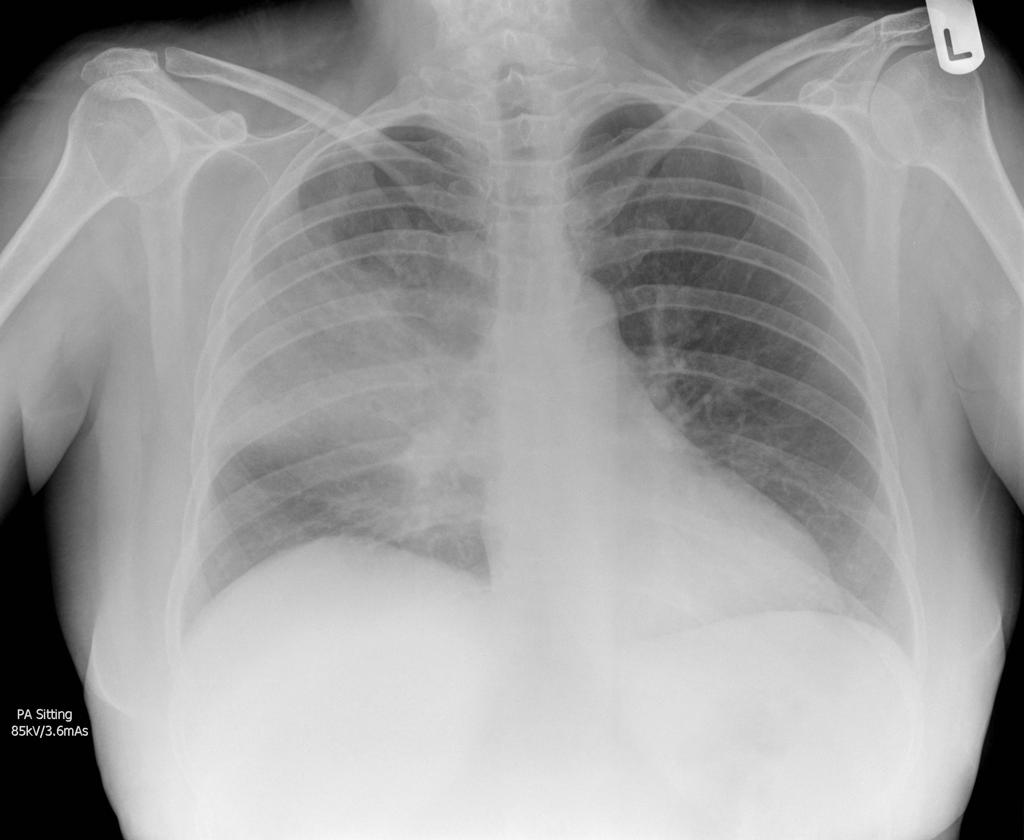
An emerging pathogen Actinotignum schaalii gram stain (pic Manurx27, Wikipedia) What infection does it cause, and who is mostly affected? How to identify Actinotignum schaalii in the lab? How do we treat infection caused by Actinotignum schaalii infection? Actinotignum schaalii presentation.(Youtube)
Read more
Bacteria
Pneumococcus - gallery

Streptococcus pneumoniae or pneumococci are gram-positive cocci in pairs, which may be capsulated. Colonies are 1-2mm, α-haemolytic and may appear as ‘draughtsman’ colonies (due to autolysis of the organisms). If incubated in anaerobic conditions, the colonies may appear larger and more mucoid. It is, like other Streptococcus spp., catalase-negative. Traditionally, a few of the properties of the pneumococcus were exploited to […]

Read more
Bacteria
Paracoccus Yeei

Paracoccus yeei is an aerobic Gram-negative coccobacilli typically found in soil and brine. It appears as diplococci and may have a visible vacuole – giving an “O” shaped appearance. It may under-decolourise and appear as Gram-positive cocci. It is oxidase-positive and confused with Moraxella/Neisseria. Identification can be made using automated systems like VITEK-2 GN, MALDI-ToF and DNA […]

Read more
Bacteria
Turicella otitidis

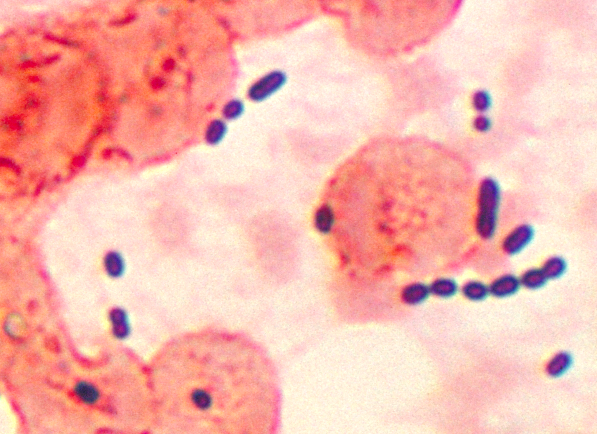
The Bacteria: Turicella otitidis is an anaerobic, non-motile, pleomorphic, gram-positive bacillus – similar to coryneform but longer.It produces a convex whitish/cream-coloured non-haemolytic colony.CAMP test positiveDNase and Catalase positive.Oxidase negative. It is often misidentified as Corynebacterium by some commercial systems. See the Pinterest images here: Pathogenicity – Otitis media Turicella is a commensal of the external […]
Read more
Antibiotic
Mechanism of resistance in Enterococcus

Enterococci are intrinsically resistant to many classes of antibiotics – like cephalosporins, Aminoglycoside (low-level resistance), macrolides, clindamycin, quinupristin-dalfopristin (E faecalis), Fusidic acid, Sulfonamide [EUCAST], which limits our options when we try to treat Enterococcal infections. Most clinical infections are caused by Enterococcus faecalis, followed by Enterococcus faecium.Other Enterococci occasionally isolated from the clinical specimen are […]

Read more