
Microregistrar moodlecloud update – Rhodotorula, AI, RAG and revision aid
I regularly ask MoodleCloud members what provides more value to them. From a recent poll, I found that microbiologists preparing […]
I regularly ask MoodleCloud members what provides more value to them. From a recent poll, I found that microbiologists preparing […]
🦠 Cryptococcosis Treatment Algorithm Global Guidelines for Diagnosis and Management | Evidence-Based Recommendations Based on the Global Guideline for the
Introduction Candida species are the predominant cause of fungal infections in patients treated in hospital settings, causing significant morbidity and
Emergomycosis is a systemic fungal mycosis caused by a novel dimorphic fungi called Emergomyces species. It is mainly seen in
Introduction Candida auris is a pathogen that has emerged as a global threat in recent years. It is the first
The Fungus: Identification: It initially forms white colonies with a yellow back, which quickly becomes black. Conidia is rough, brownish-black,
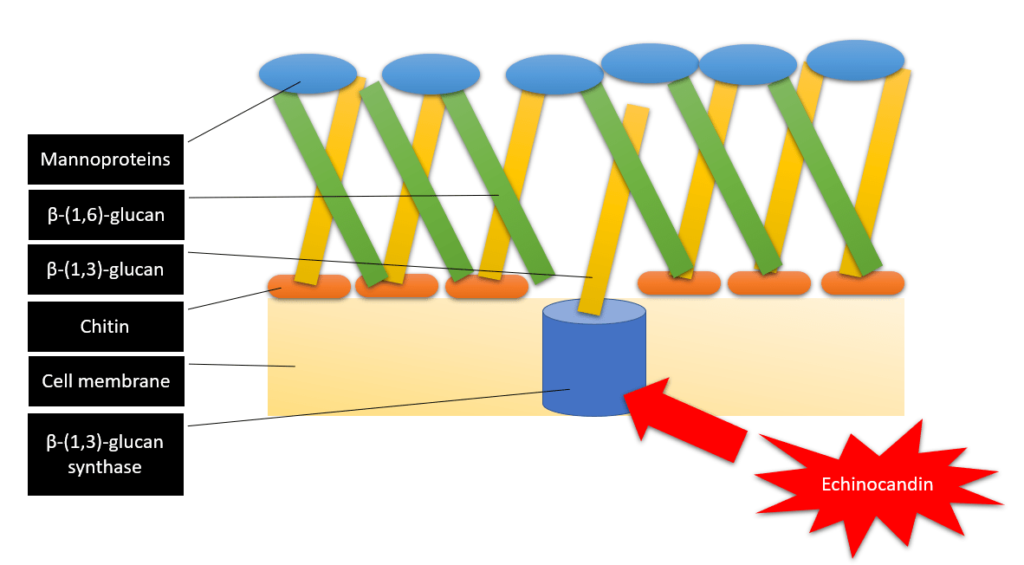
Echinocandins are a class of antifungals that prevent glucan synthesis pathways necessary for fungal cell wall formation. Echinocanins are antifungals
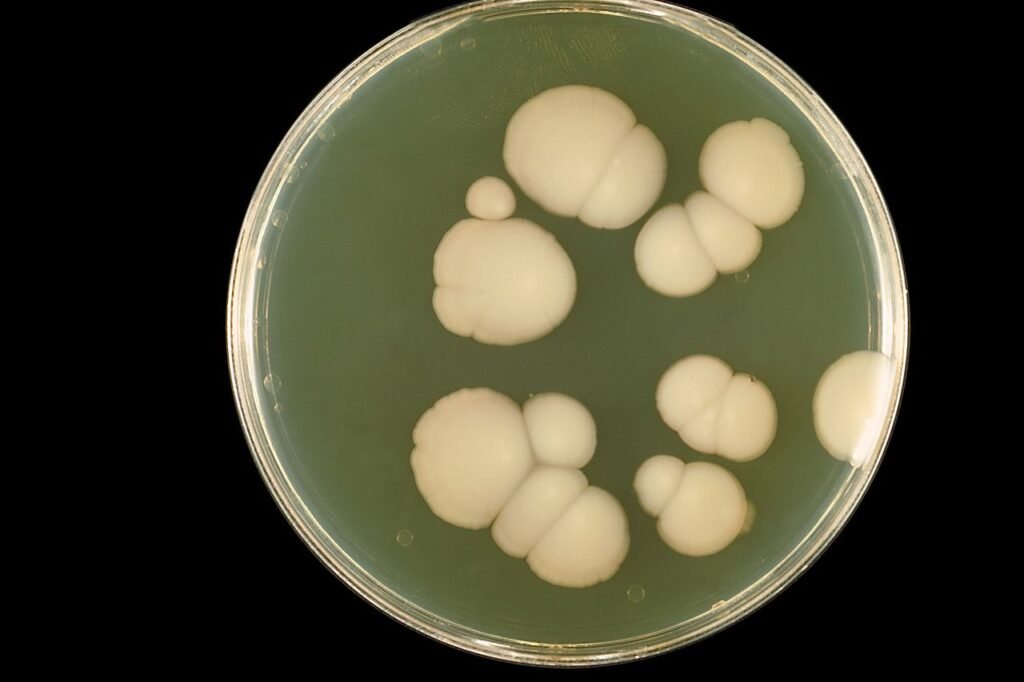
For FRCPath Microbiology, I consider the fungi highlighted in yellow are must-read. Grey highlighted ones – if you have time.