
SMI summary: Actinomyces
Actinomyces — Identification Trainer UK SMI ID 9 · Trainer Identification of Actinomyces An interactive drill, not a textbook. Built […]
Actinomyces — Identification Trainer UK SMI ID 9 · Trainer Identification of Actinomyces An interactive drill, not a textbook. Built […]

Interactive Yersinia Species Identification Guide 🔬 Yersinia Species Identification Guide Comprehensive laboratory identification and characterization of Yersinia species Overview Species
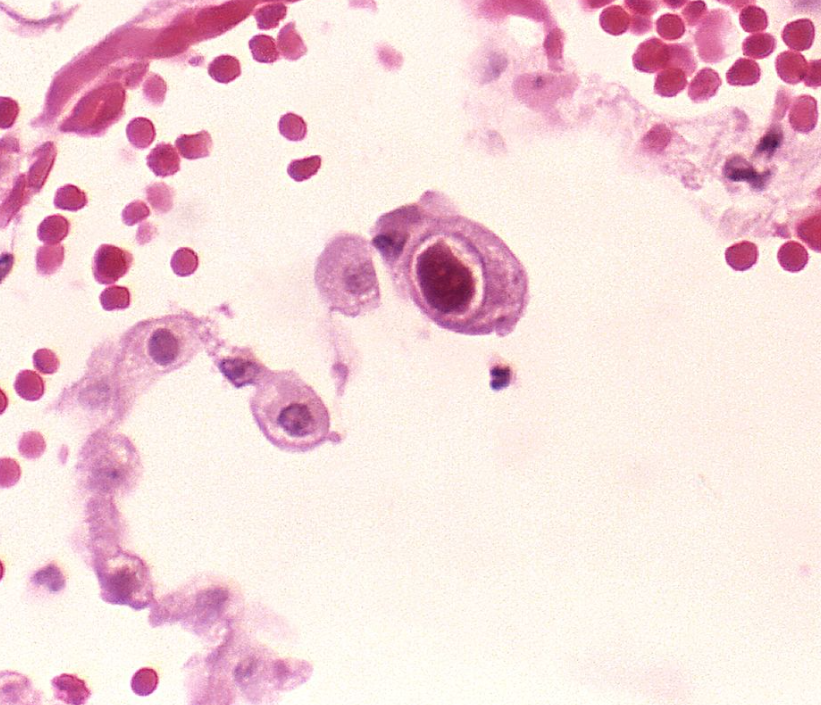
Advertisement Cellular Feature Associated Pathogen Description Owl’s eye cells Cytomegalovirus (CMV) Large cells with intracellular inclusions surrounded by a clear
Type of specimen Target organism CAP HAP Lung abscess Cystic fibrosis Mycobacteria disease Parasites Fungal infection Consider bioterrorism for these
Type of specimen: Ear swab Middle ear fluid Scraping of material from the ear canal (for fungal infection) Expected organisms
Types of specimen Cough plates are not recommended. Selective media It contains blood or charcoal or both, along with selective
Specimens Throat swab, posterior pharyngeal swab, nasopharyngeal swab, pharyngeal washings, pus aspirate, oropharyngeal swab, throat gargle. Why To investigate upper
Because it is an invasive procedure, bone marrow biopsy (typically collected from the posterior iliac crest or the sternum) is
There are 2 SMIs related to H pylori- Identification of Helicobacter spp. (SMI ID26) & Investigation of infectious causes of dyspepsia (SMI
Specimen Advice for the users: Safety Processing Gram stain – usually not done unless deep-seated pus from a normally sterile