Leclercia adecarboxylata

While authorising the urine result – I found that a urine sample from the community has grown Leclercia adecarboxylata. The patient is a young female complaining of increased frequency. The number of organisms in the urine was >100,000 organisms/ml.What is the significance? The bacteria  Previously known as Escherichia adecarboxylata, it now belongs to a new genus Leclercia…
Read More

Japanese encephalitis vaccine: study note

Vaccine Inactivated vaccine (IXIARO®), NO live virus.Adjuvant: Aluminium hydroxide (improves immunogenicity).Storage: +2°C to +8°C and protected from light. Administration Primary immunisation Primary immunisation should ideally be completed at least one week before potential exposure to the Japanese encephalitis virus. Full immunity takes up to one week to develop after the second dose. Standard schedule Rapid schedule 1st dose…

Read More

Infection associated with immune checkpoint inhibitors

Immune Checkpoint Inhibitors (ICI) are used to treat malignancy (breast CA, bladder CA, cervical CA, lung CA, colon CA, Hodgkin lymphoma etc). There are three types of ICIs Type of ICIs Example Programmed death 1(PD-1) inhibitors Atezolizumab, Avelumab, Durvalumab Programmed death 1 ligand (PD-L1) inhibitors Nivolumab, Pembrolizumab, Cemiplimab, Dostarlimab cytotoxic T lymphocyte-associated antigen 4 (CTLA4)…

Read More

Infection associated with chronic granulomatous disease (CGD)

Introduction CGD is a rare inherited immunodeficiency disorder where the NADPH oxidase in the phagocytic cells is absent or malfunctioning. Most CGDs are inherited as X linked, while the rest are autosomal recessive. Phagocytes, like neutrophils and monocytes, in the absence of NADPH oxidase, cannot kill the ingested pathogens due to the lack of oxidative burst. As a result,…

Read More

Ibrexafungerp: A novel antifungal

Ibrexafungerp, an enfumafungin derivative, belongs to a new family called triterpenoid antifungals.This is a new class called “-fungerp”. This antifungal class inhibits glucan synthetase required for fungal cell wall synthesis. One of the major antifungal class echinocandins also acts by this mechanism and has been used since 2001. Echinocandins, however, have poor bioavailability and are…

Read More

Human Monkeypox

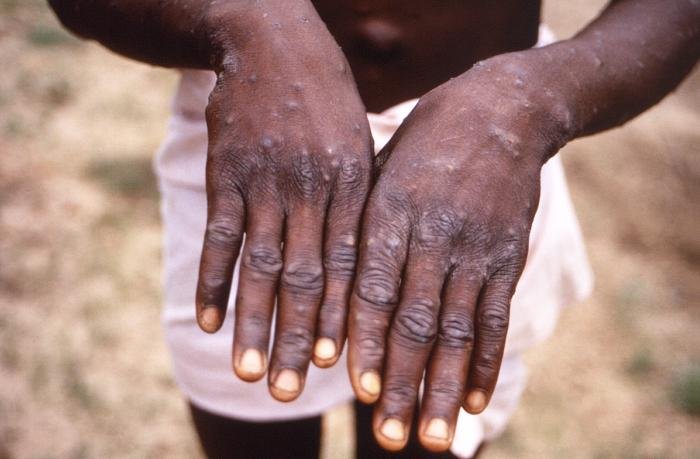
Monkeypox is an emerging disease. It was first discovered in 1958 in a captive monkey population, from which it received its name. However, monkeys are not its main reservoir. The largest natural reservoir population is rodents. The full lifecycle and the extent of the reservoir population are still unknown.Monkeypox is a zoonosis. The virus: It…

Read More

Fusobacterium necrophorum

Bacteria Fusobacterium necrophorum is a Gram-negative, non-motile, non-spore-forming anaerobic pleomorphic bacterium. It may appear in coccobacillus or filamentous forms, which are more common in younger cultures. It is a member of the normal bacterial flora of the oropharynx, genitourinary tract, and gastrointestinal tract. Culture and identification There are 14 species of Fusobacterium, 10 of which…

Read More