Brucella

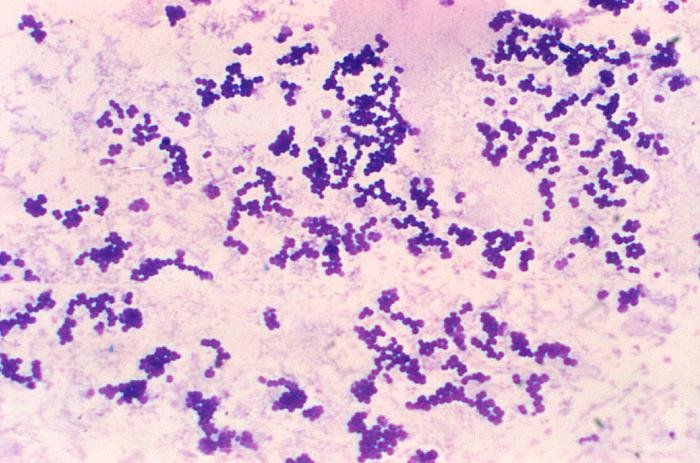
Bacteria There are many Brucella species – not all known to cause human disease. Those known to cause human disease are – B melitensis, B abortus, B suis, B canis and B ceti. Brucella infection is a zoonosis – each Brucella sp is associated with some animal host – Brucella survives in the environment for…

Read More

Aspergillus niger

The Fungus: Identification: It initially forms white colonies with a yellow back, which quickly becomes black. Conidia is rough, brownish-black, biseriate, and covers the entire vesicle. A key feature in diagnosing A. niger infection is the presence of calcium oxalate crystals on pathological examination. The presence of crystals can be taken as an indication of A niger…

Read More

Amphotericin B

Amphotericin B is a polyene antibiotic discovered in 1953 from the bacteria Streptomyces nodosus, in the Orinoco basin in Venezuela. Its name is derived from its amphoteric property, being able to react to both acid and base. It is insoluble at normal pH; hence it is available as a buffered colloidal solution, with sodium deoxycholate…

Read More

Antibiotic – intrinsic resistance

Enterobacterales & Aeromonas Enterobacterales and Aeromonas are intrinsically resistant to benzylpenicillin, glycopeptides, lipoglycopeptides, fusidic acid, macrolides (Except Azithromycin, effective for typhoid/paratyphoid fever and erythromycin for travellers’ diarrhoea), lincosamides, streptogramins, rifampicin, and oxazolidinones. Bacteria Beta-lactams Non-beta-lactams Klebsiella pneumonia complex,Klebsiella oxytocaRoultella sp.Citrobacter koseri,Citrobacter amalonaticus Amoxicillin, Ticarcillin Klebsiella aerogenes,Enterobacter cloacae complexCitrobacter freundiiHafnia alvei Amoxicillin, Coamoxiclav,1st generation cephalosporinsCefoxitin Serratia…

Read More

Aerococcus urinae

Aerococcus genus, a firmicute, was first identified in 1953 [Williams, 1953]. Multiple species have been identified since then; not all are human pathogens. Human pathogen Aerococcus viridans, Aerococcus urinae, Aerococcus urinae hominis,Aerococcus christensenii,  (2001), Aerococcus sanguinicola. Not human pathogen Aerococcus urinae equi ( or Pediococcus urinae equi), Aerococcus suis, Aerococcus vaginalis. Laboratory identification: Aerococcus is a gram-positive coccus in clusters (like Staphylococcus), alpha-hemolytic on…

Read More

Aeromonas spp.

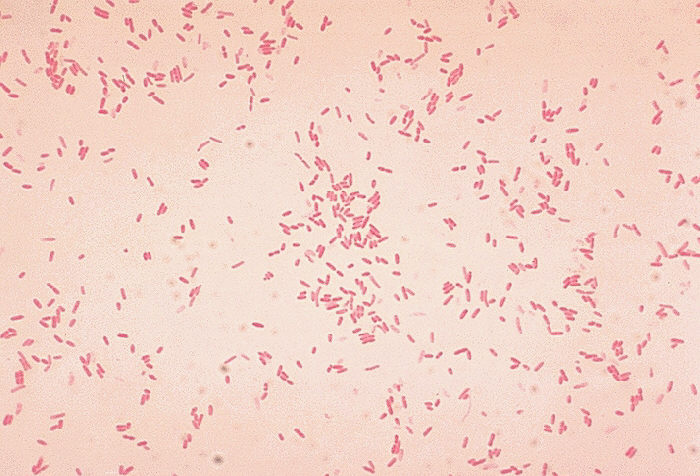
Aeromonas are Gram-negative bacilli, widely distributed in nature, especially aquatic environments – freshwater, brackish water, sewage system, hospital water system, and even drinking water. It can also be found in food and domestic or farm animals.  The Aeromonas genus consists of more than 30 species based on DNA-DNA hybridisation and 16S rDNA relatedness. Of these 30…

Read More
Adeno

Adenovirus

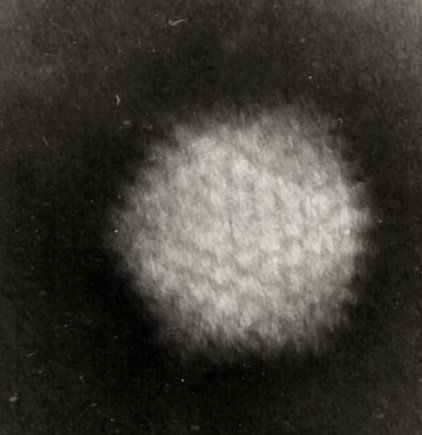
Introduction For high-resolution images, scroll to the bottom of the page Human adenovirus has 7 species based on their haemagglutination character.Each species was divided into serotypes based on neutralisation (e.g. A- 12,18, 31). At present, genotyping is being used to classify Adenovirus.Different species of human adenovirus have different tissue tropism. Species Tissue tropism A GI, respiratory,…

Read More