
Shiga toxin-producing E coli: E coli O157
Introduction There are various types of E coli that live in the environment and our intestines. Although most live inside […]
Introduction There are various types of E coli that live in the environment and our intestines. Although most live inside […]
Please note this is a study note, keeping the exam in mind. This is not a guideline and should not

The Bacteria Rothia belongs to the family Micrococcaceae – the same family as Micrococcus spp., Stomatococcus spp. and Kocuria spp.
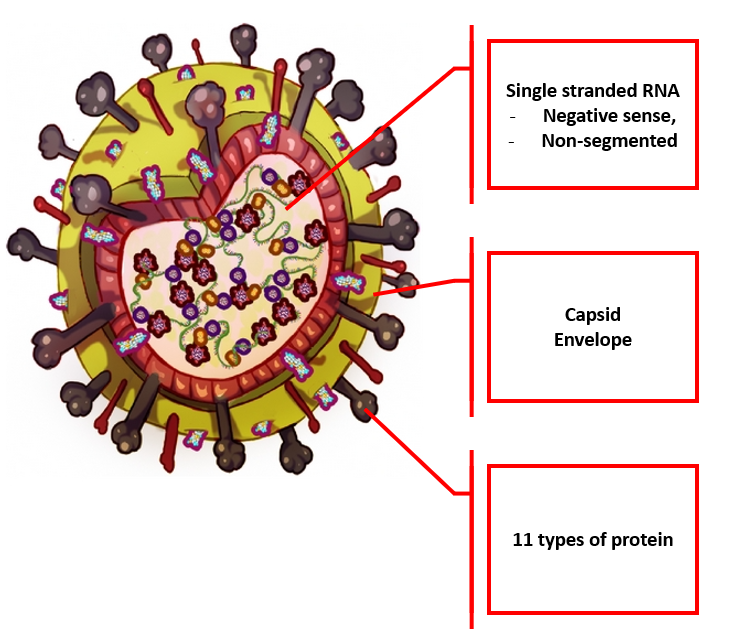
Respiratory Syncytial Virus is a single-stranded RNA virus with a negative sense, non-segmental RNA. It is an enveloped virus with
by Dr Katherine Watson (2016) This article was written in 2016. However, the suggested documents are still very much relevant.
A 45 years-old Italian farmer visiting the UK has presented to the A&E with severe and persistent headaches, insomnia, neck
by Dr Joanna Lumb, Consultant, Microbiology This article was written in 2014. However, this advice is very relevant, not only
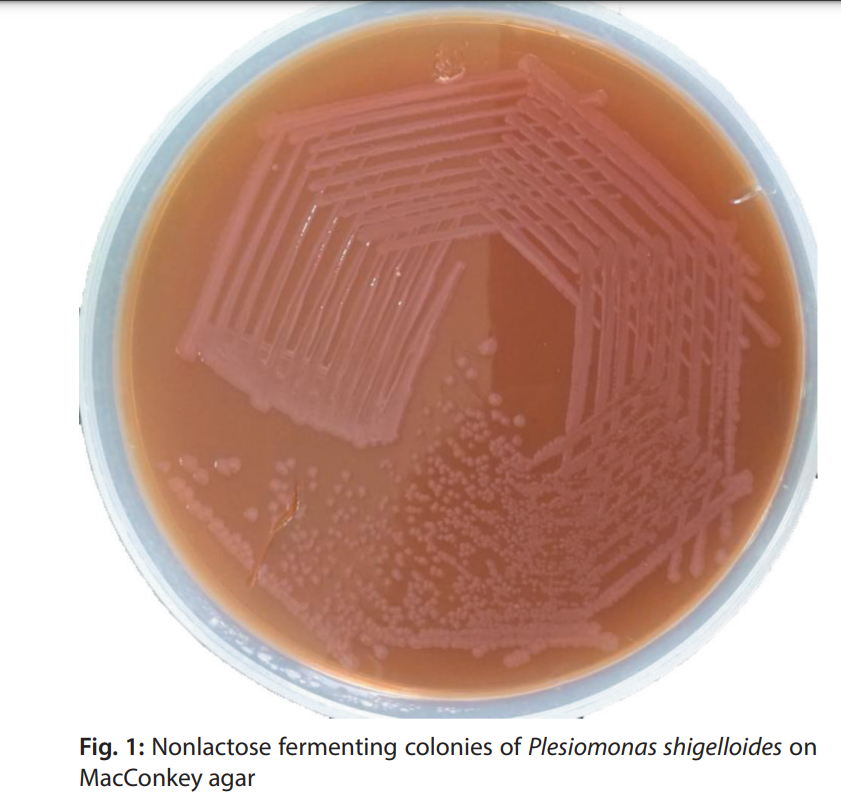
Plesiomonas shigelloides characteristics Plesiomonas shigelloides is a gram-negative bacillus that derived its name from the ancient Greek word plēsíon, which means
What is inflammation? Inflammation is part of the complex biological response of body tissues to harmful stimuli, such as pathogens,