
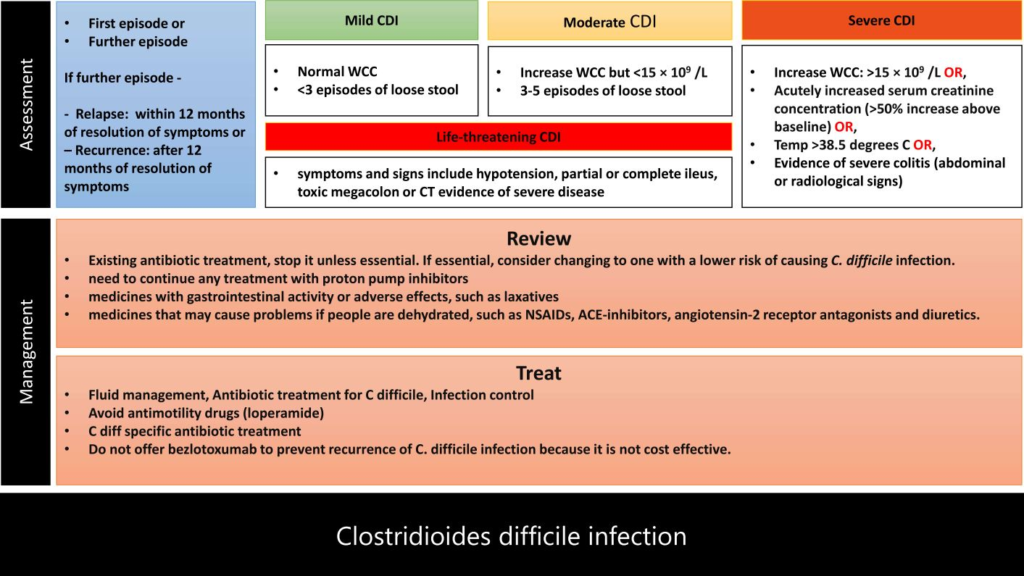
C difficile Infection guideline – comparison between NICE 2021 and IDSA 2021
What does NICE guideline 2021 say about assessing and managing C difficile infection? Comparison between NICE 2021 guideline and IDSA […]
What does NICE guideline 2021 say about assessing and managing C difficile infection? Comparison between NICE 2021 guideline and IDSA […]
The Fungus: Identification: It initially forms white colonies with a yellow back, which quickly becomes black. Conidia is rough, brownish-black,

Amphotericin B is a polyene antibiotic discovered in 1953 from the bacteria Streptomyces nodosus, in the Orinoco basin in Venezuela.
Enterobacterales & Aeromonas Enterobacterales and Aeromonas are intrinsically resistant to benzylpenicillin, glycopeptides, lipoglycopeptides, fusidic acid, macrolides (Except Azithromycin, effective for
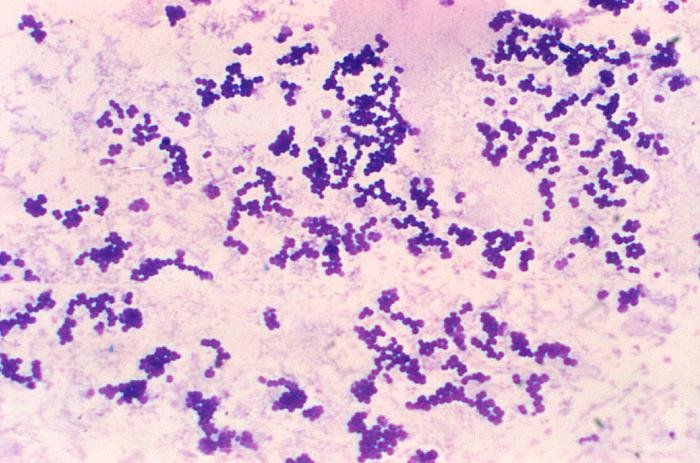
Aerococcus genus, a firmicute, was first identified in 1953 [Williams, 1953]. Multiple species have been identified since then; not all
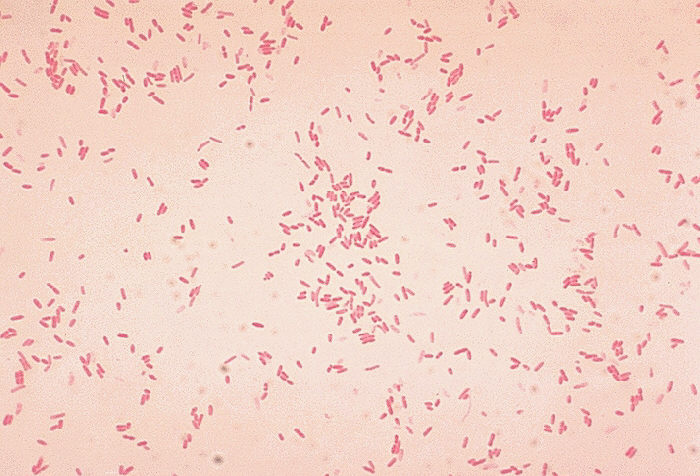
Aeromonas are Gram-negative bacilli, widely distributed in nature, especially aquatic environments – freshwater, brackish water, sewage system, hospital water system, and
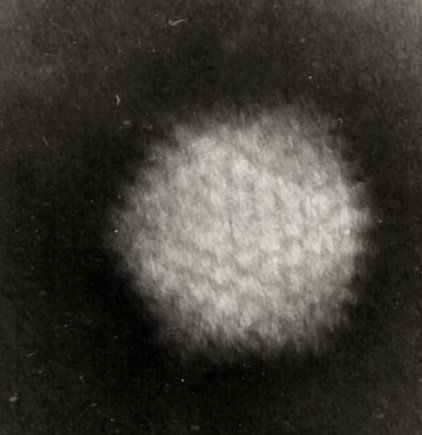
Introduction For high-resolution images, scroll to the bottom of the page Human adenovirus has 7 species based on their haemagglutination character.Each
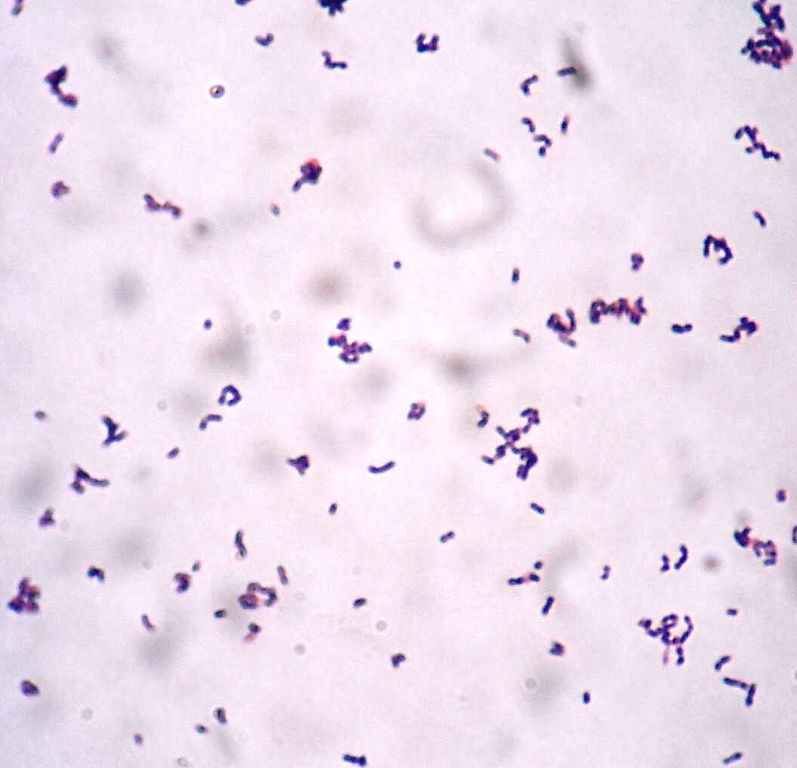
An emerging pathogen Actinotignum schaalii gram stain (pic Manurx27, Wikipedia) What infection does it cause, and who is mostly affected? How