

Fosfomycin
Nature: Small (Mol weight – 138) phosphoenolpyruvate analogue manufactured synthetically but originally obtained from Streptomyces fradiae and some Pseudomonas sp.A […]
Nature: Small (Mol weight – 138) phosphoenolpyruvate analogue manufactured synthetically but originally obtained from Streptomyces fradiae and some Pseudomonas sp.A […]

Class: 5th generation cephalosporin.Available as ceftolozane-tazobactam, a beta lactam-beta lactamase inhibitor (BLBLI) combination. Mechanism of Action: Similar to other beta-lactam antibiotics.

Nature of the antibiotic Semi-synthetic, pleuromutilin class.Molecular weight – 567.79 gm/mole Pleuromutilins Pleuromutilins (produced by Pleurotus sp.), discovered in the

Class: Nitroimidazole.Mol weight: 171First used in 1960. Mechanism of action: Metronidazole enters the susceptible (bacterial/parasite) cells by passive diffusion. It gets activated to
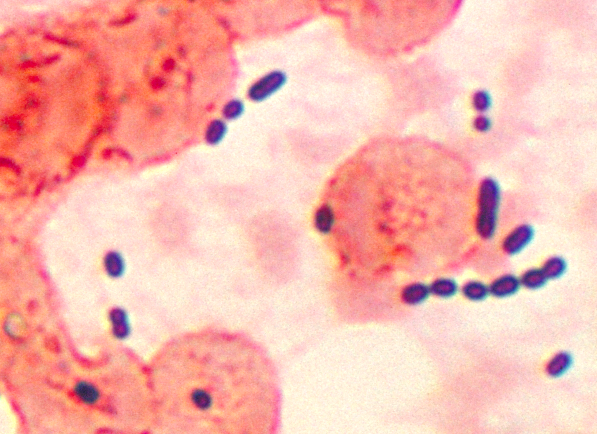
Enterococci are intrinsically resistant to many classes of antibiotics – like cephalosporins, Aminoglycoside (low-level resistance), macrolides, clindamycin, quinupristin-dalfopristin (E faecalis),
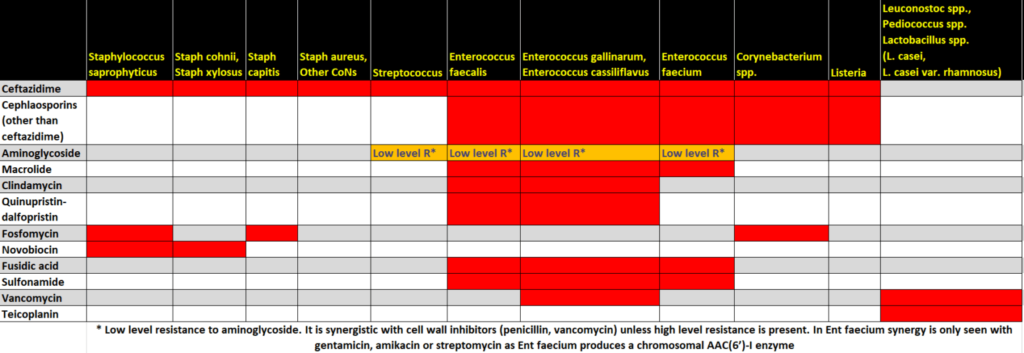
Microorganisms are only listed as “intrinsically resistant” to an agent (or group of agents) when a vast majority of wild-type

Nature of the antibiotic Mechanism of action Cefalexin, like other beta-lactams, binds to the penicillin-binding protein (PBP) and prevents peptidoglycan
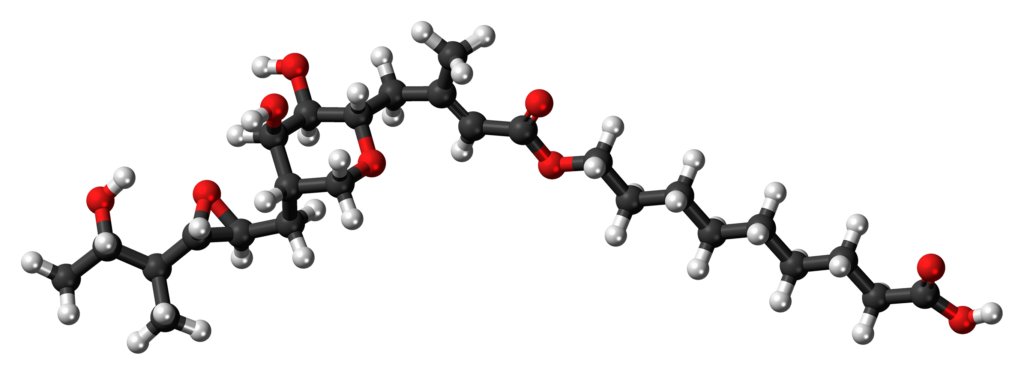
Nature Mechanism of action Mechanism of resistance PK/PD Spectrum Adverse effect Use
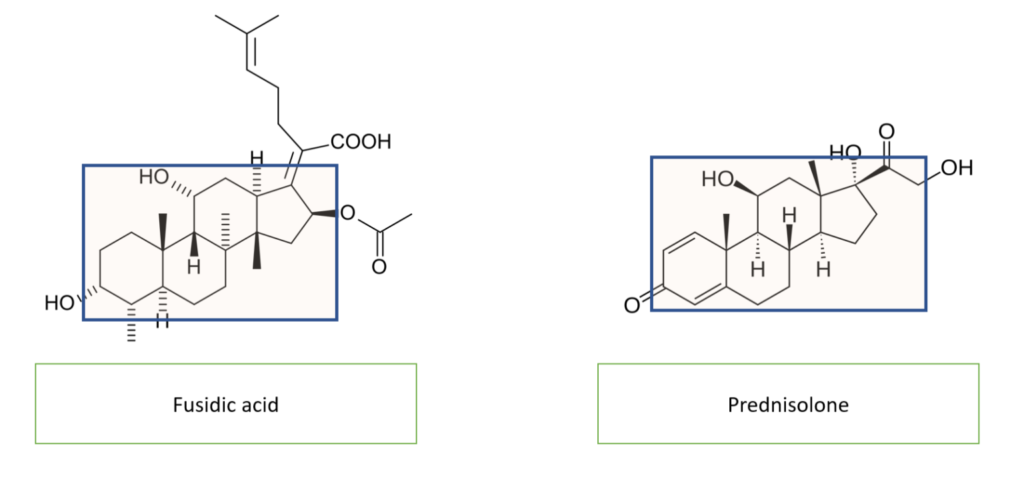
Fusidic acid was discovered in Copenhagen, Denmark and introduced to clinical practice in the 1960s.It was derived from a fungus, Fusidium