
Aspergillus niger
The Fungus: Identification: It initially forms white colonies with a yellow back, which quickly becomes black. Conidia is rough, brownish-black, […]
The Fungus: Identification: It initially forms white colonies with a yellow back, which quickly becomes black. Conidia is rough, brownish-black, […]

Amphotericin B is a polyene antibiotic discovered in 1953 from the bacteria Streptomyces nodosus, in the Orinoco basin in Venezuela.
Enterobacterales & Aeromonas Enterobacterales and Aeromonas are intrinsically resistant to benzylpenicillin, glycopeptides, lipoglycopeptides, fusidic acid, macrolides (Except Azithromycin, effective for
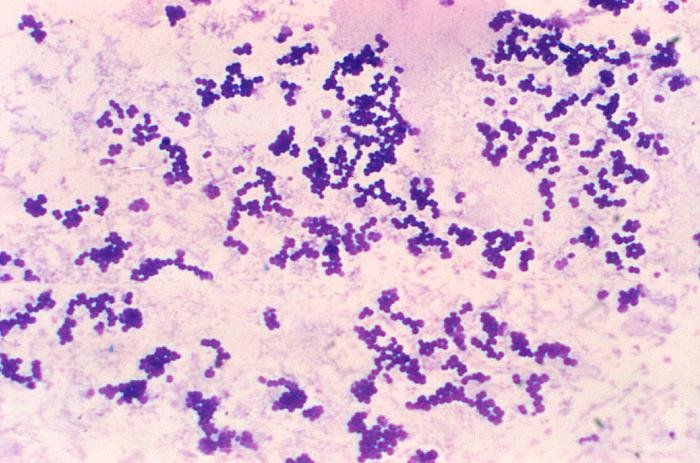
Aerococcus genus, a firmicute, was first identified in 1953 [Williams, 1953]. Multiple species have been identified since then; not all
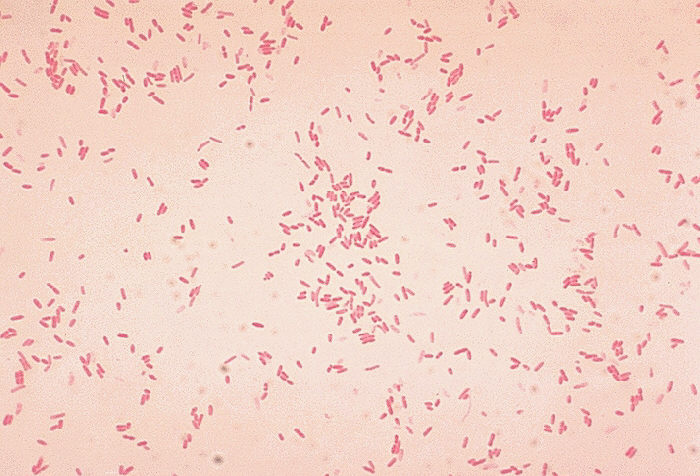
Aeromonas are Gram-negative bacilli, widely distributed in nature, especially aquatic environments – freshwater, brackish water, sewage system, hospital water system, and
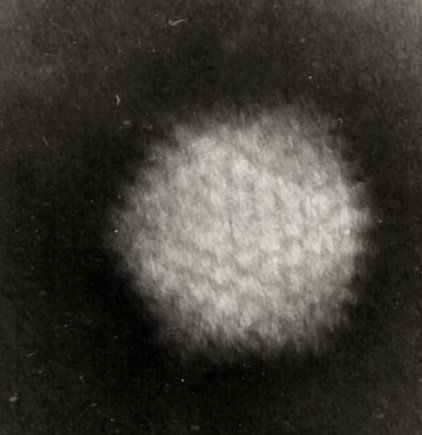
Introduction For high-resolution images, scroll to the bottom of the page Human adenovirus has 7 species based on their haemagglutination character.Each
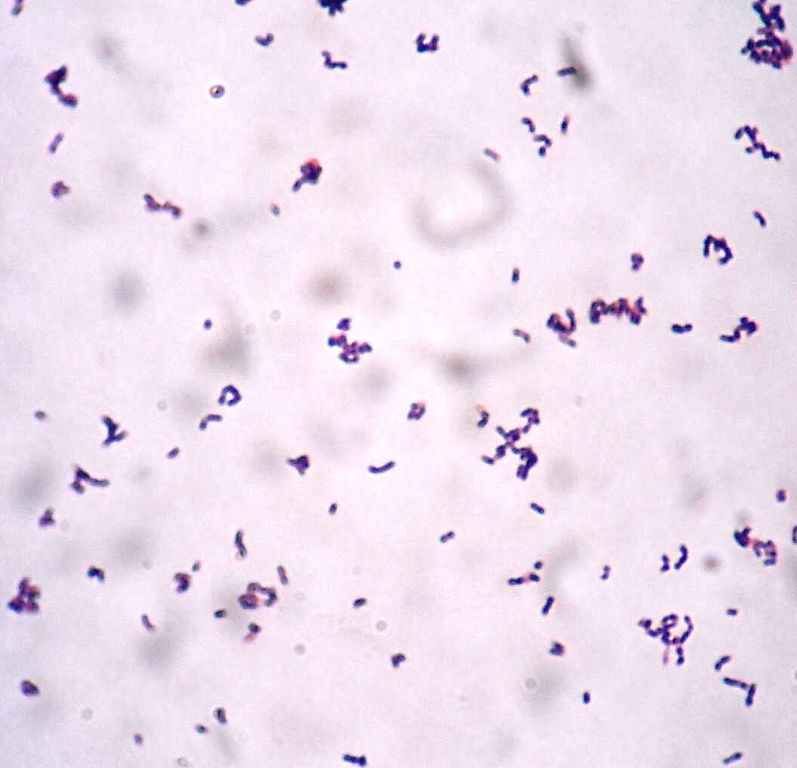
An emerging pathogen Actinotignum schaalii gram stain (pic Manurx27, Wikipedia) What infection does it cause, and who is mostly affected? How
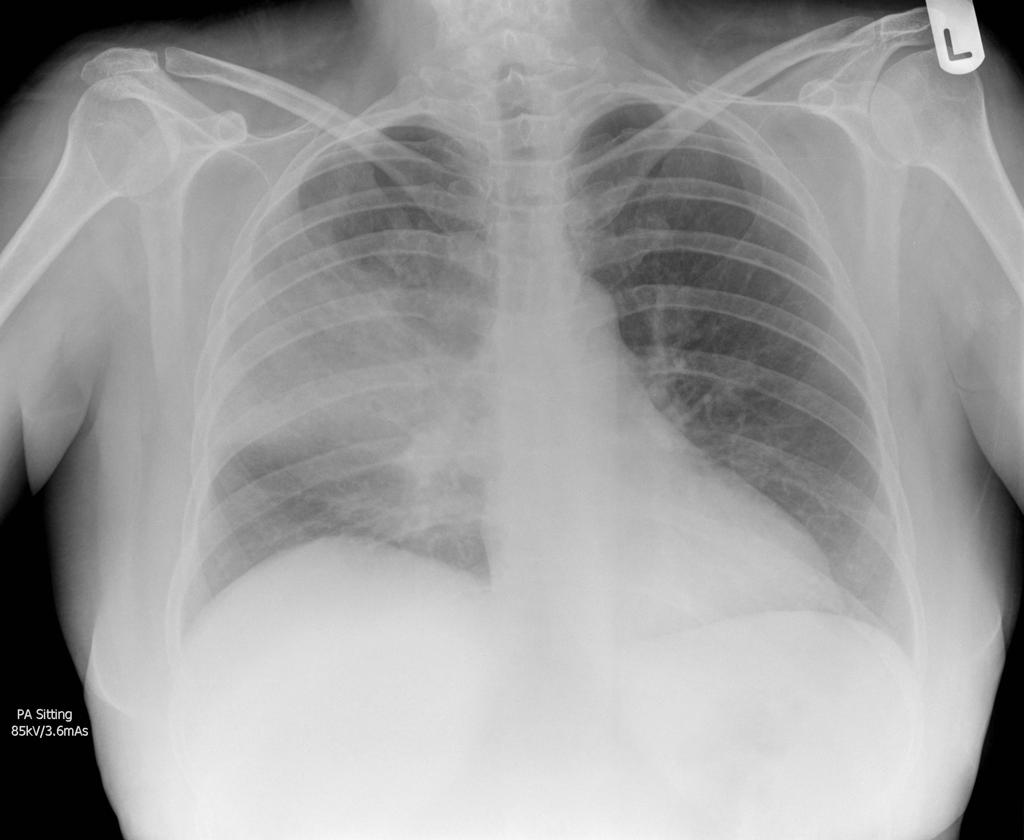
Streptococcus pneumoniae or pneumococci are gram-positive cocci in pairs, which may be capsulated. Colonies are 1-2mm, α-haemolytic and may appear as ‘draughtsman’ colonies (due to
Paracoccus yeei is an aerobic Gram-negative coccobacilli typically found in soil and brine. It appears as diplococci and may have a visible