
Culture media and composition
This is a list of some culture media and their composition. MEDIA SUPPLEMENTS TARGET ORGANISMS ABC plates Alpha-galactosidase Salmonella sp. […]
This is a list of some culture media and their composition. MEDIA SUPPLEMENTS TARGET ORGANISMS ABC plates Alpha-galactosidase Salmonella sp. […]
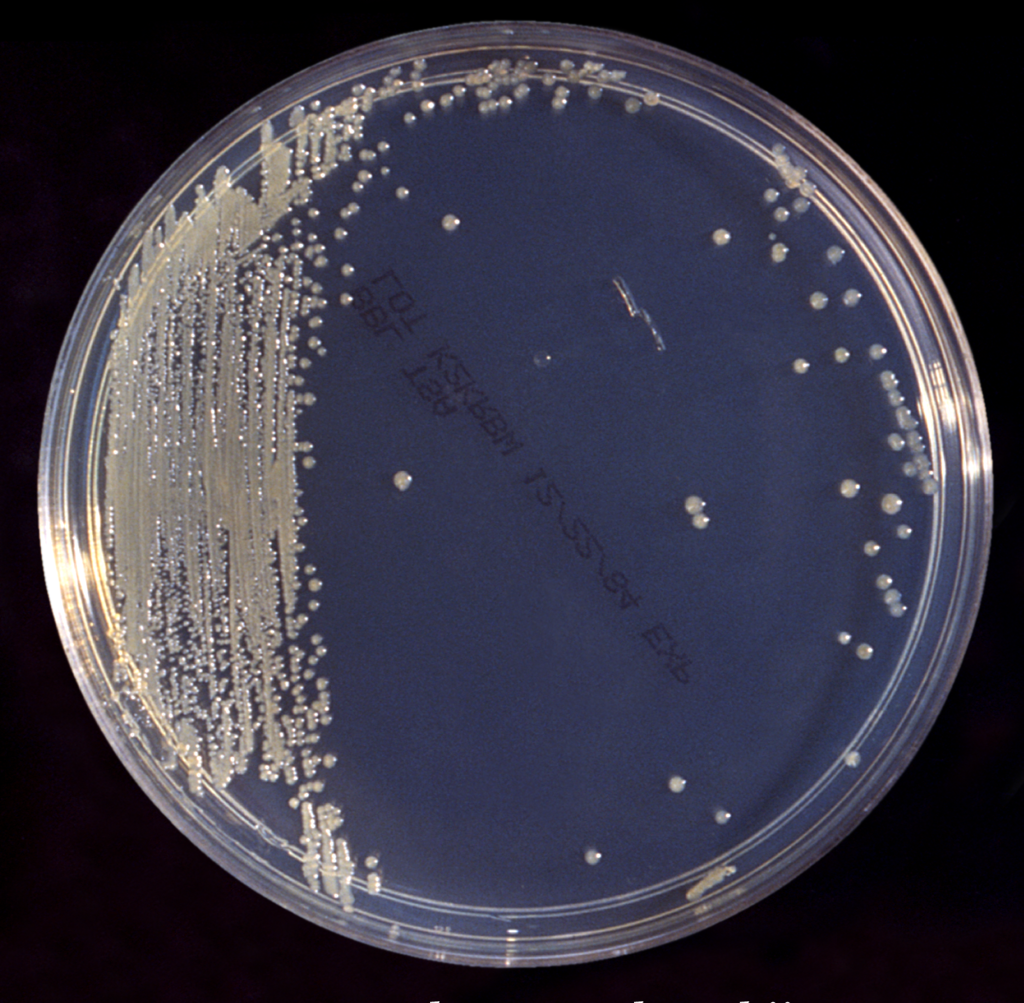
What is Cronobacter sakazakii? Cronobacter sakazakii is a gram-negative bacteria that can cause necrotising enterocolitis, septicaemia, and meningitis in infants,
Age-specific recommendations on vaccine type Primary vaccination Based on the JCVI advice, the preference is to use the bivalent mRNA
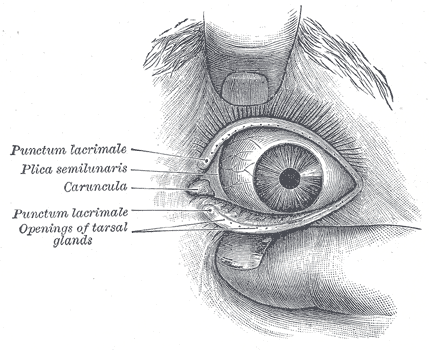
Corynebacterium macginleyi (CM) is lipophilic, slow-growing, gram-positive bacteria first described in 1995 and was named after Kenneth McGinley, who made
This test detects the catalase enzyme present in most cytochrome-containing aerobic and facultative anaerobic bacteria. The catalase enzyme converts hydrogen peroxide
Bacteria: Microaerophilic, pleomorphic gram-negative bacillus often with swelling of one or both ends and retained crystal violet dye at the
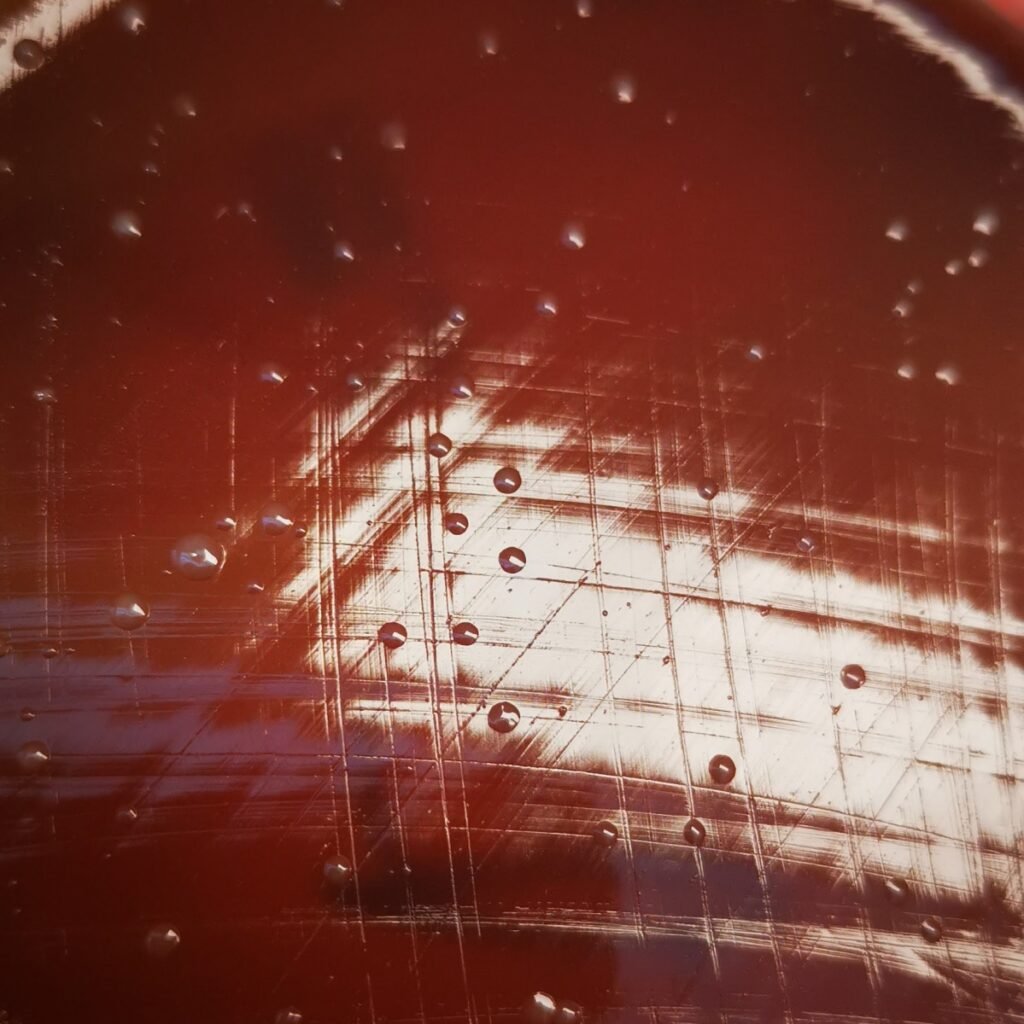
Capnocytophaga genus belongs to the family Flavobacteriaceae.There are >9 species of Capnocytophaga, which can be divided into two groups –
Introduction Candida auris is a pathogen that has emerged as a global threat in recent years. It is the first
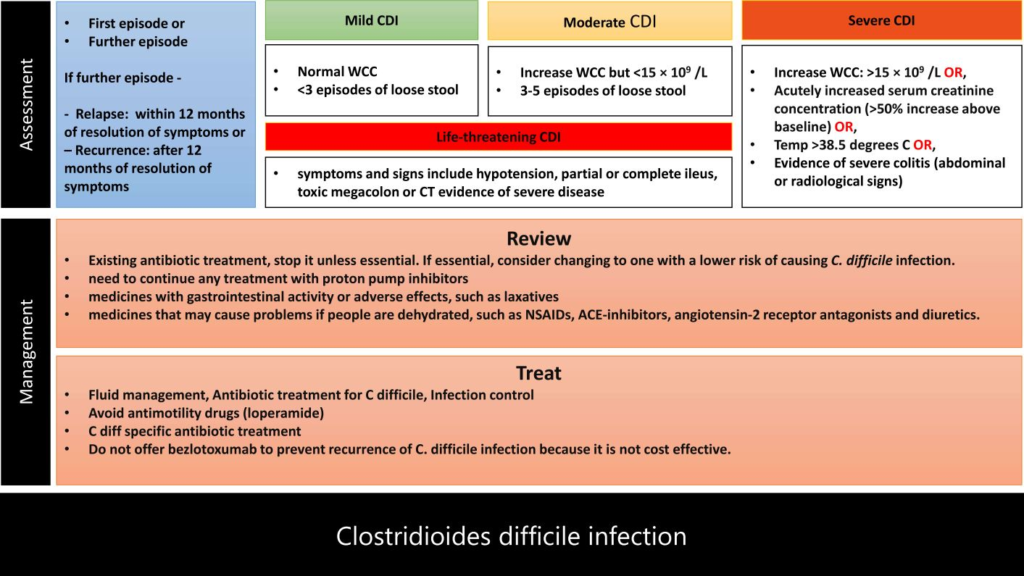
What does NICE guideline 2021 say about assessing and managing C difficile infection? Comparison between NICE 2021 guideline and IDSA