Leclercia adecarboxylata

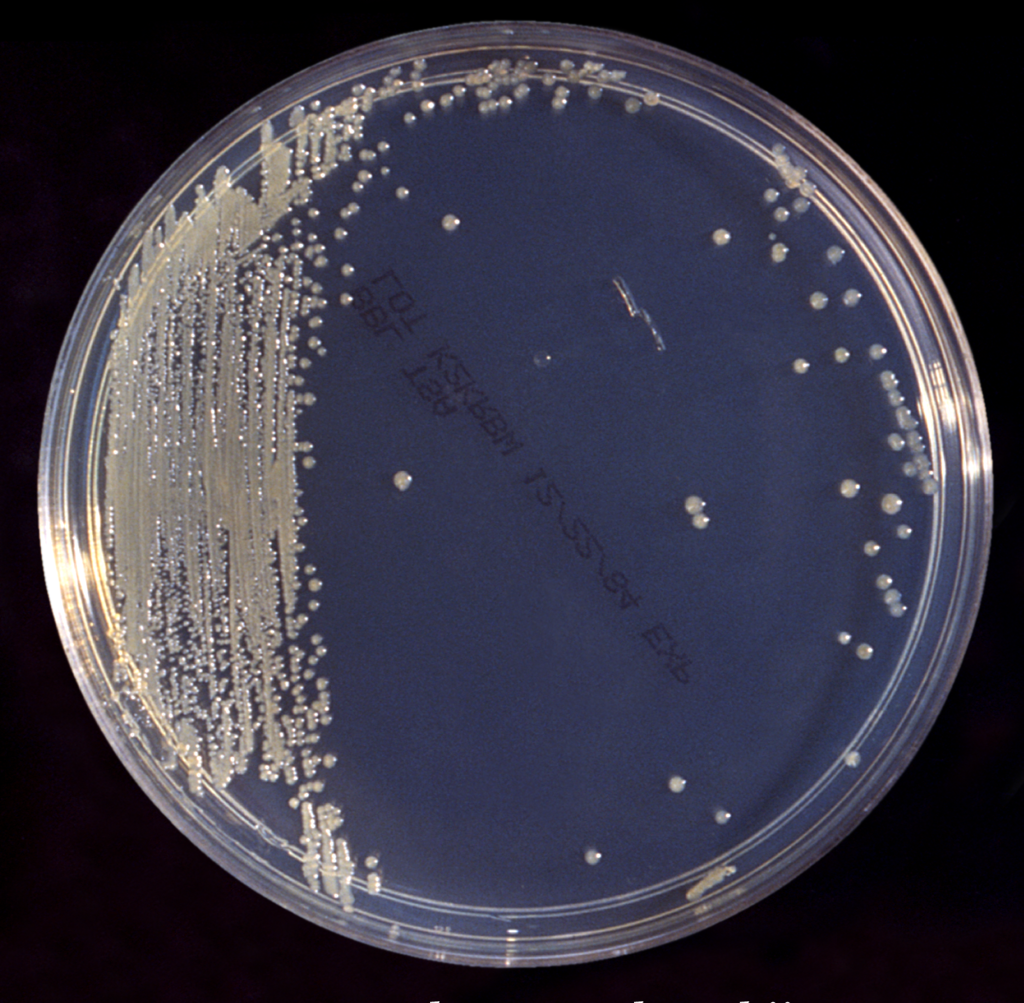
While authorising the urine result – I found that a urine sample from the community has grown Leclercia adecarboxylata. The patient is a young female complaining of increased frequency. The number of organisms in the urine was >100,000 organisms/ml.What is the significance? The bacteria  Previously known as Escherichia adecarboxylata, it now belongs to a new genus Leclercia…

Read More
Leptospira

Leptospira spp.

This is from a presentation. The pictures were my slides. Feel free to download them if you wish. Leptospirosis, a zoonosis, is caused by a pathogenic Spirochaeta of the genus Leptospira.The name is derived from the Greek leptos (thin) and the Latin spira (coiled). Leptospirosis is a multisystem disease first described by Albert Weil in…

Read More

Summary: Global guideline for the diagnosis and management of candidiasis: an initiative of the ECMM in cooperation with ISHAM and ASM

Introduction Candida species are the predominant cause of fungal infections in patients treated in hospital settings, causing significant morbidity and mortality worldwide. This clinical practice guide summarises evidence-based recommendations from the European Confederation for Medical Mycology (ECMM) global guideline initiative, developed in cooperation with the International Society of Human and Animal Mycology (ISHAM) and the…

Read More
Metronidazole

Metronidazole

Class: Nitroimidazole.Mol weight: 171First used in 1960. Mechanism of action: Metronidazole enters the susceptible (bacterial/parasite) cells by passive diffusion. It gets activated to a nitroso compound which causes oxidative damage to the DNA. It also inhibits DNA repair. The conversion of metronidazole to nitroso compound creates a concentration gradient, and more metronidazole enters the cells. The aerobic bacteria lack the necessary…

Read More

Fosfomycin

Nature: Small (Mol weight – 138) phosphoenolpyruvate analogue manufactured synthetically but originally obtained from Streptomyces fradiae and some Pseudomonas sp.A broad-spectrum, a bactericidal antibiotic. Mechanism of action: Inhibit bacterial cell wall formation at a very early stage by inactivating enol pyruvate transferase (MurA).MurA catalyzes the transfer of enolpyruvate from phosphoenolphyruvate to uridine diphospho-N-acetylglucosamine (UNAG), the first step…

Read More
Staph aureus

MRSA guideline – HIS and IPS guideline

Universal or targeted screening Rescreening Test Staff screening Decolonisation In patients with eczema, dermatitis, or skin conditions – an attempt should be made to treat underlying skin conditions. A dermatology consultant could be consulted. Alternatives are – Oilatum bath additive or Oilatum plus (with added benzalkonium chloride 6% and triclosan 2%).Mupirocin prolonged or repeated use…

Read More
Tigecycline

Daptomycin

Class: Cyclic lipopeptideSource: Streptomyces roseosporusDiscovered: 1980s; approved for use in 2003 (FDA)Molecular weight: 1620 DA. Mechanism of action: The Daptomycin (DAP) combines with Calcium ions to form a positively charged complex that attaches to the bacterial cell membrane (preferably at the nascent septa). This attachment depends upon the presence of phospholipid phosphatidylglycerol (PG). After attachment, DAP forms…

Read More
cd

Journal review: Emergence and Spread of C difficile Isolates With reduced Fidaxomicin Susceptibilti in an Acute Care Hospital.

Sarah N Redmond et al, Emergence and Spread of Clostridioides difficile Isolates With Reduced Fidaxomicin Susceptibility in an Acute Care Hospital, Clinical Infectious Diseases, 2025;, ciaf028, https://doi.org/10.1093/cid/ciaf028 Introduction & Background: Methods: Key Findings: Discussion & Implications: Some points to consider

Read More