
Cryptococcus (microregistrar.moodlecloud)
🦠 Cryptococcosis Treatment Algorithm Global Guidelines for Diagnosis and Management | Evidence-Based Recommendations Based on the Global Guideline for the […]
🦠 Cryptococcosis Treatment Algorithm Global Guidelines for Diagnosis and Management | Evidence-Based Recommendations Based on the Global Guideline for the […]

Members of the microregistrar moodle programme took part in a poll. See the results.

References 1.WHO: Hand Hygiene Improvement programmes (2017) 2.CDC: Reduction of Healthcare-Associated Infections by High Compliance with Hand Hygiene (2016) 3.Lydon
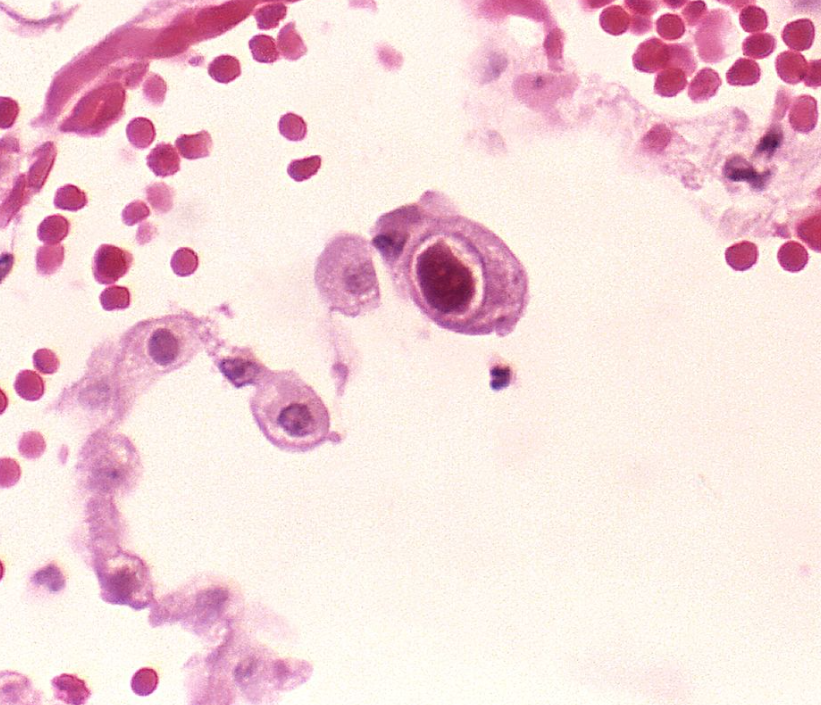
Advertisement Cellular Feature Associated Pathogen Description Owl’s eye cells Cytomegalovirus (CMV) Large cells with intracellular inclusions surrounded by a clear
Introduction Candida species are the predominant cause of fungal infections in patients treated in hospital settings, causing significant morbidity and
This summary reflects my experience with LLMs over the past several months. I have interacted with Gemini (formerly Bard), ChatGPT

Sarah N Redmond et al, Emergence and Spread of Clostridioides difficile Isolates With Reduced Fidaxomicin Susceptibility in an Acute Care Hospital, Clinical Infectious
Research Category Types Experimental Studies – Randomized Controlled Trials (RCT)– Laboratory Experiments– Field Experiments– Quasi-experimental Studies– Pre-test/Post-test Design Observational Studies
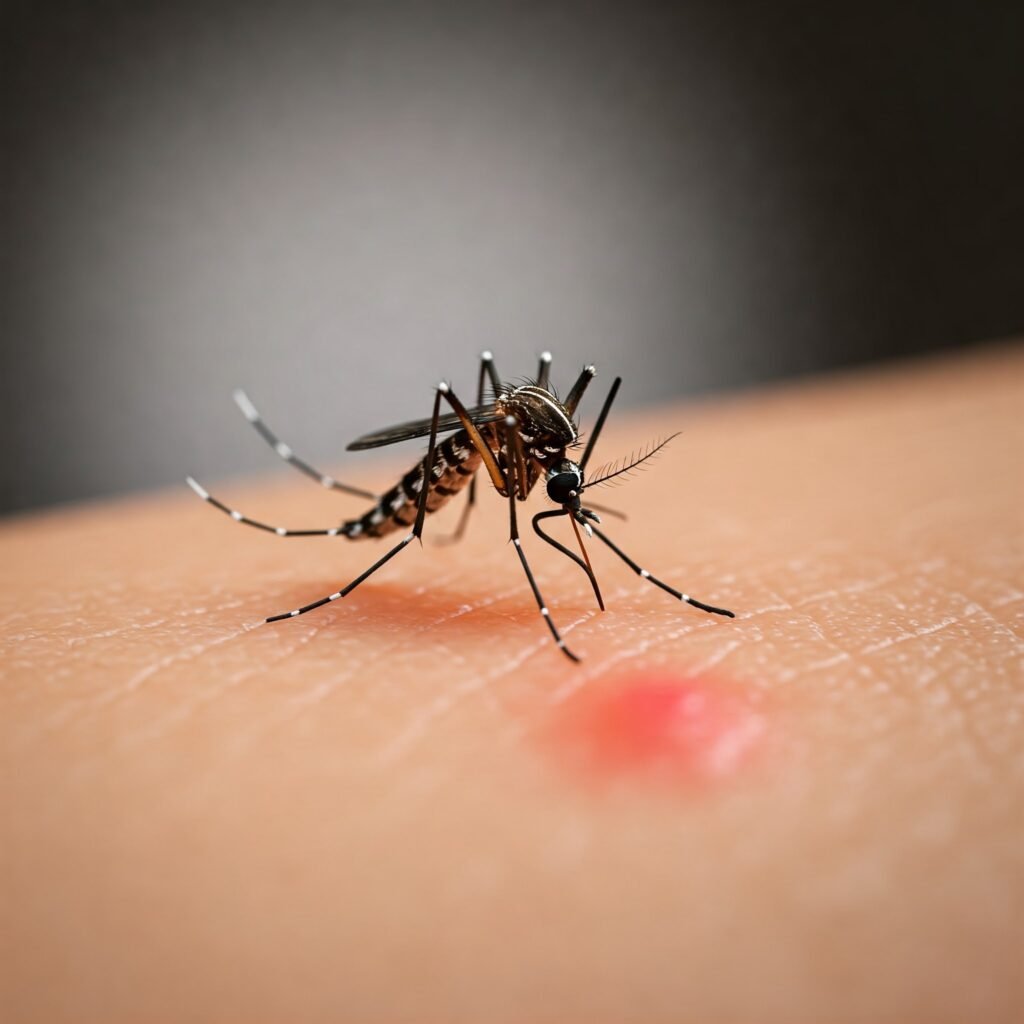
Vaccine Description and Composition “The dengue vaccination Qdenga® is a tetravalent live attenuated vaccine. It is produced in Vero cells
