
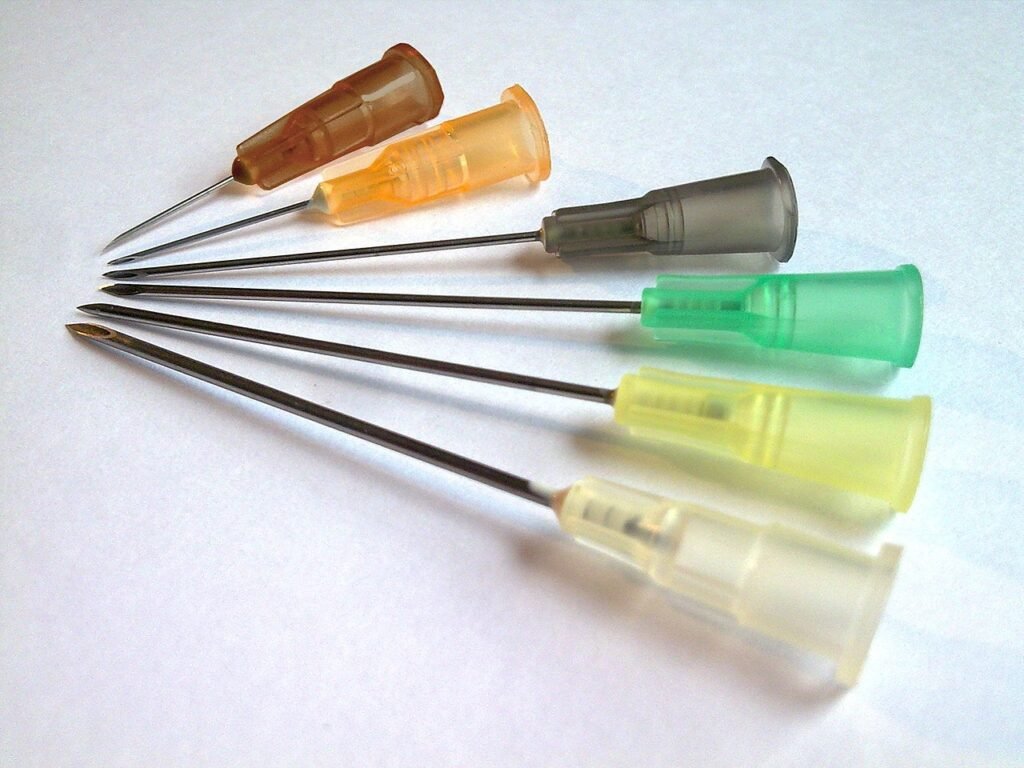
Management of needlestick injury
This is a study note on managing needlestick/sharps injury or body-fluid exposure. This is not a clinical guideline and must […]
This is a study note on managing needlestick/sharps injury or body-fluid exposure. This is not a clinical guideline and must […]
Where to find questions for FRCPath Microbiology? Part 1: A. The first question that comes to mind is – Are
2023 Spring exam experience: I have recently sat for this exam this Spring. My account is like this. I think
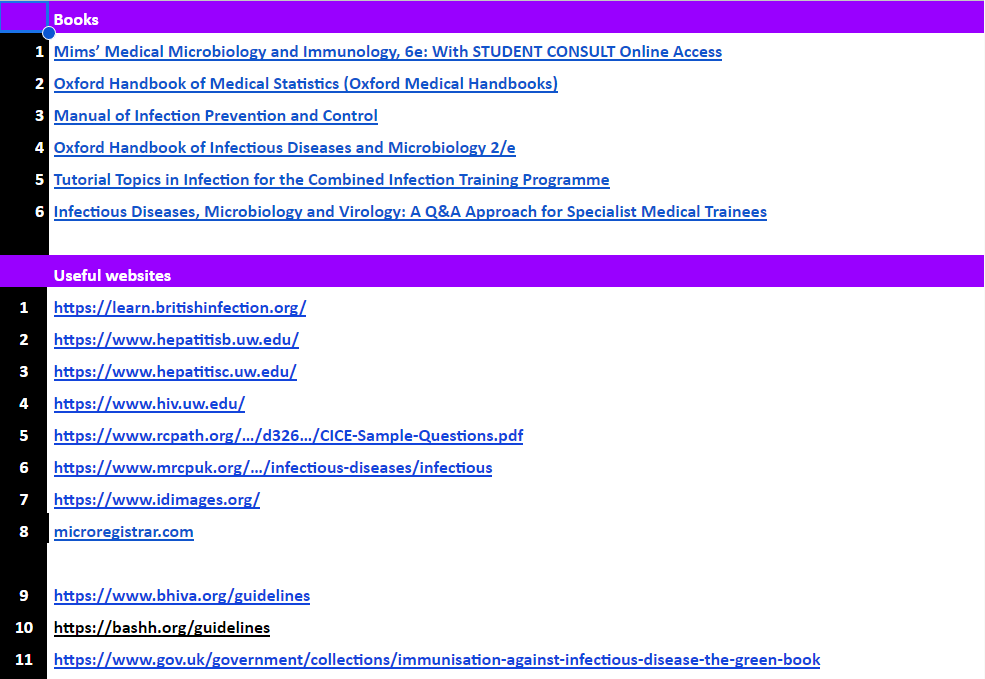
Written in 2021 One of our trainees, who was successful In the CICE, has kindly shared the study materials she

An IMG’s Perspective by Dr Chidi Onwukwe (2018) I decided to sit for the FRCPath part 1 in MMV sometime

by Dr Saishruti Iyer (2021) I decided to appear for FRCPath sometime last year when a senior recommended that it
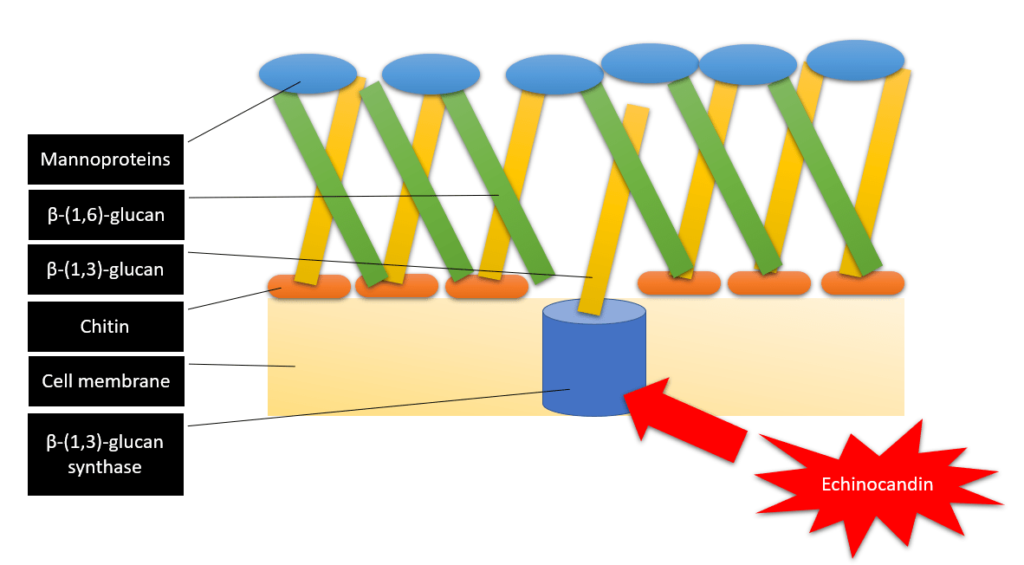
Echinocandins are a class of antifungals that prevent glucan synthesis pathways necessary for fungal cell wall formation. Echinocanins are antifungals

Class: Cyclic lipopeptideSource: Streptomyces roseosporusDiscovered: 1980s; approved for use in 2003 (FDA)Molecular weight: 1620 DA. Mechanism of action: The Daptomycin (DAP) combines
Nature of the antibiotic Class: Next-generation aminoglycoside (neoglycoside), semisynthetic (sisomicin based). It is not inactivated by most aminoglycoside-modifying enzymes (AME).Molecular weight: 592.68.
Nature: Glycylcycline, a member of the tetracycline family. Semisynthetic derivative of minocycline.MW: 585.6 Mechanism of action: 1. Bind to 30S